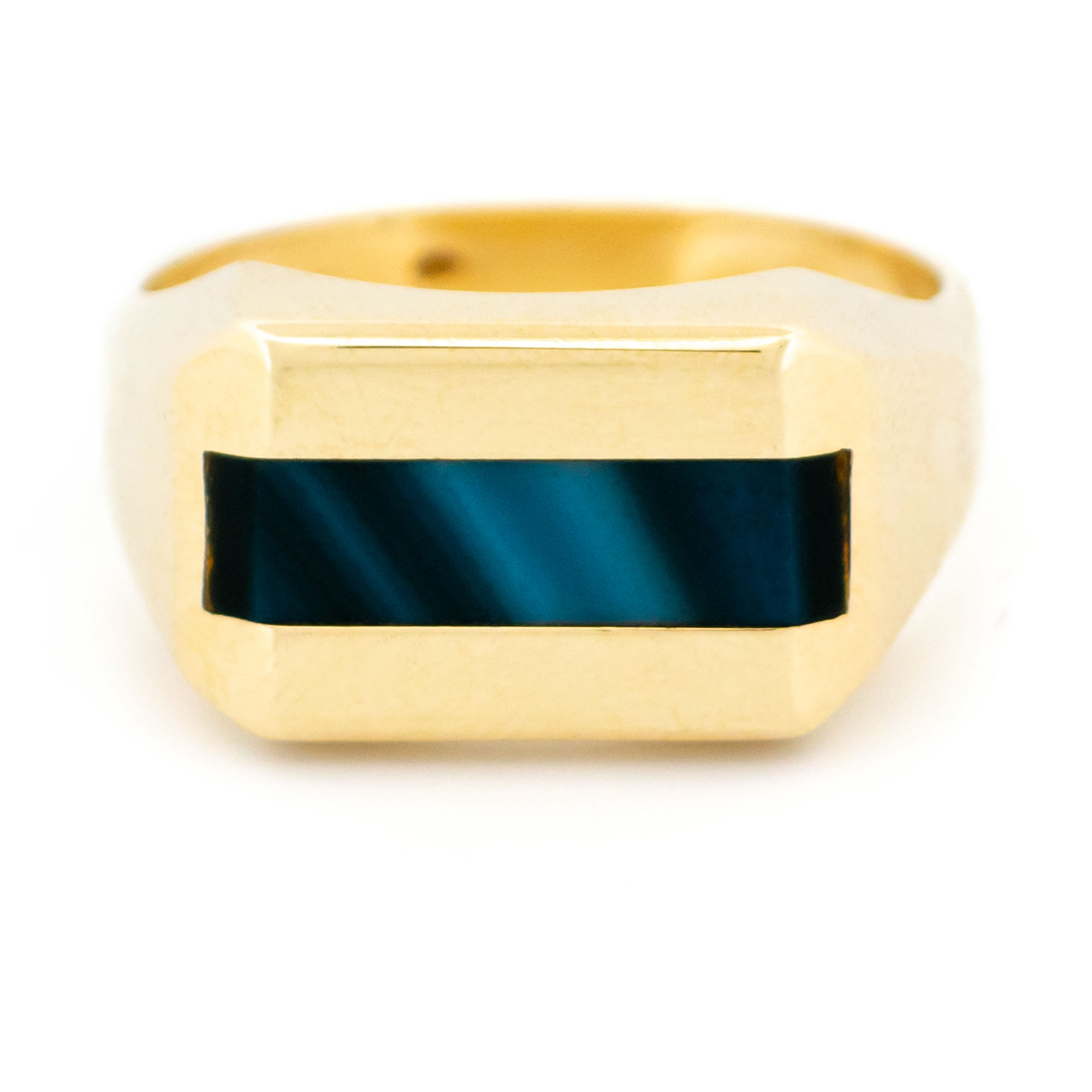
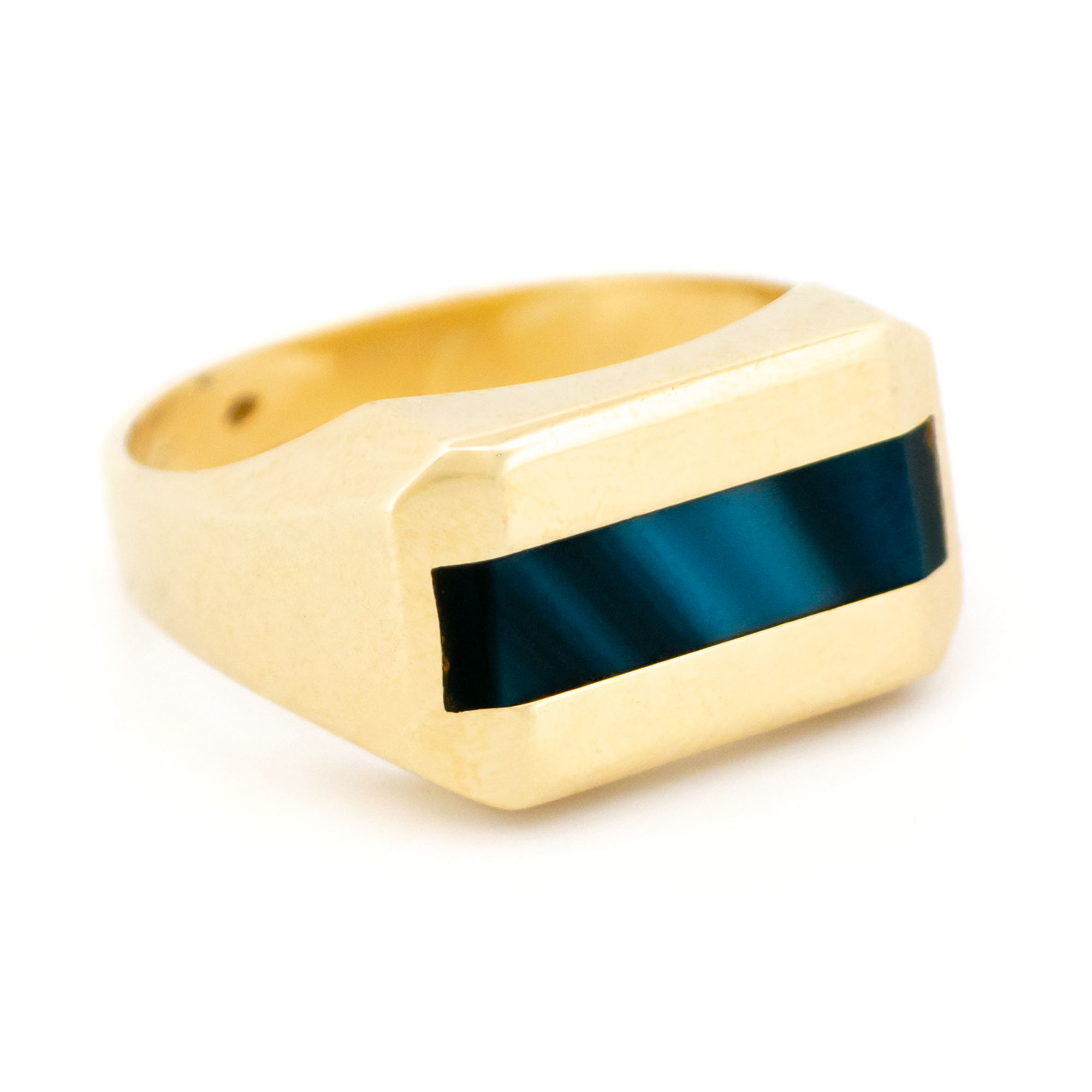
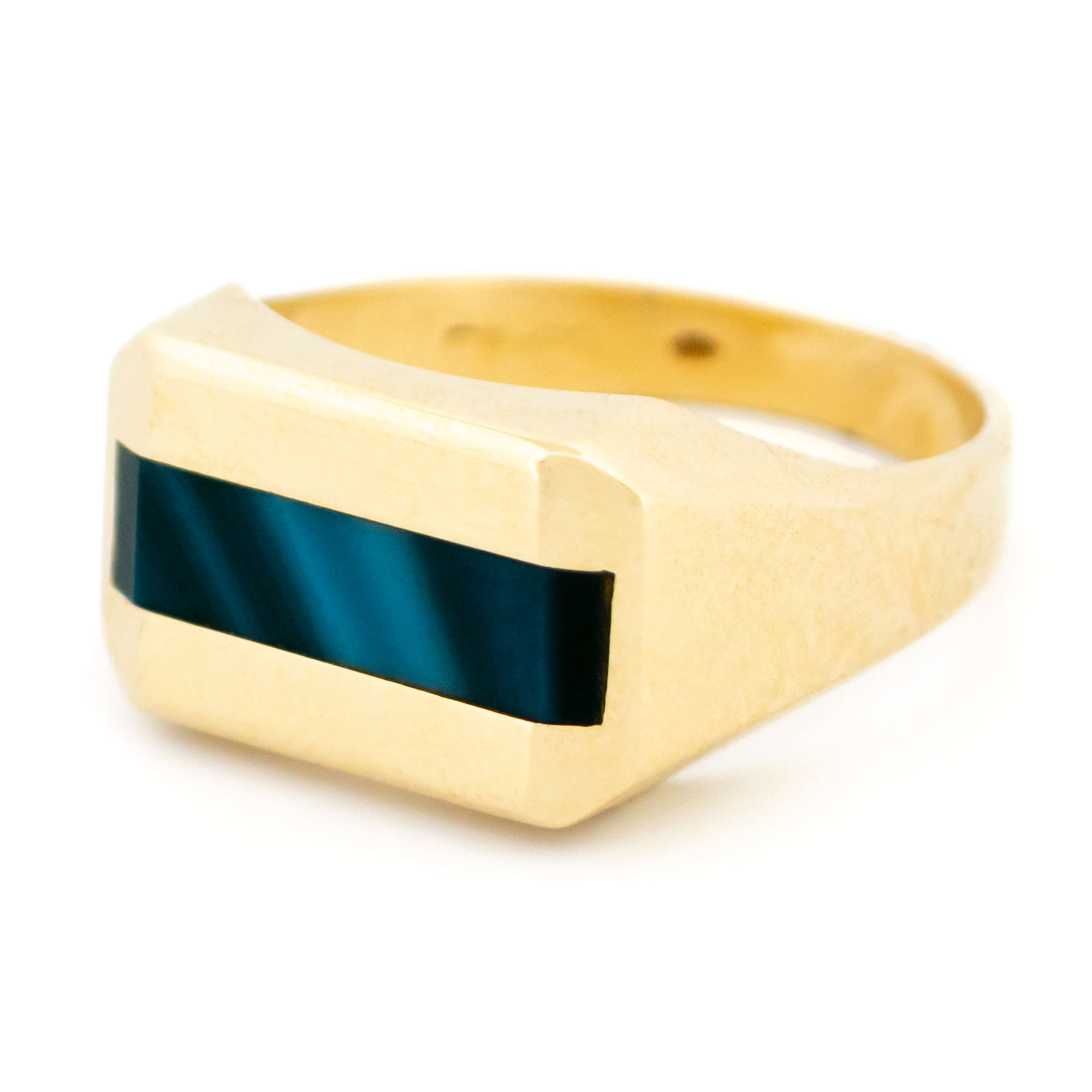
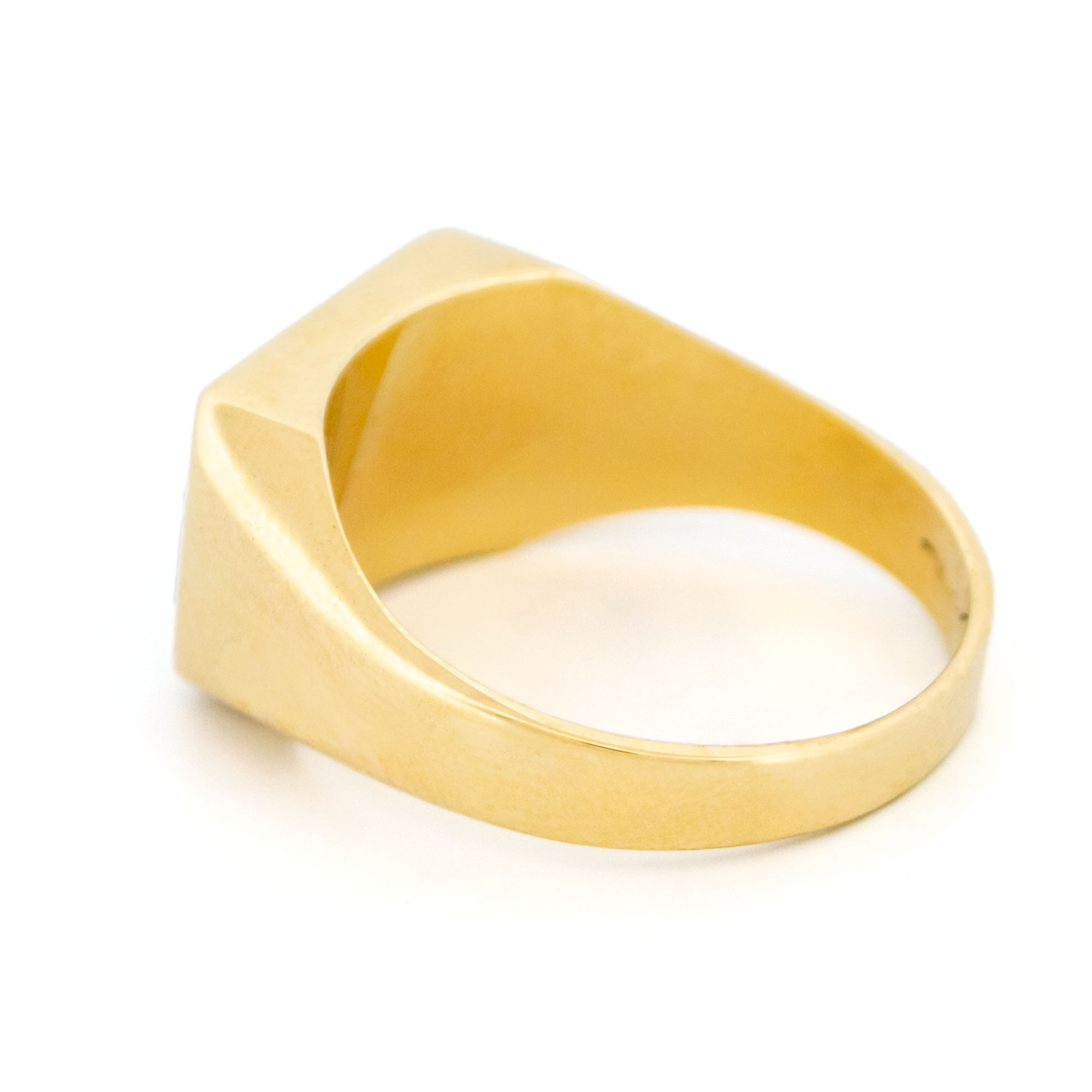
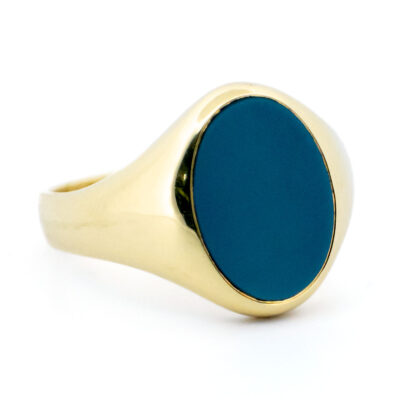
Agate: The Stone of Stability and Grounding
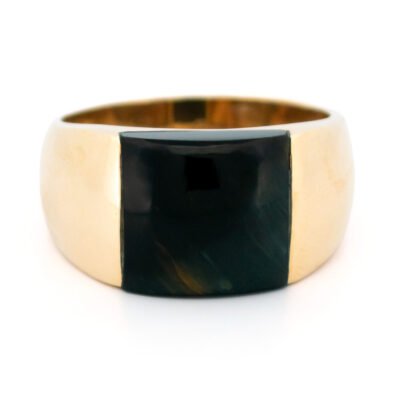
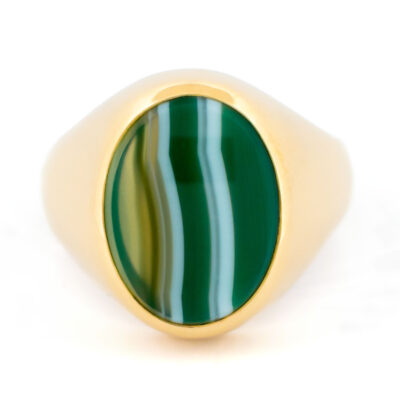
Agate is a gemstone celebrated for its rich patterns and soothing colors, making it a symbol of stability, strength, and grounding. This variety of chalcedony is known for its wide range of colors and distinctive banded patterns, which are formed by layers of mineral deposits over time, creating a unique and mesmerizing effect.
Historically, agate has been valued for its protective and healing properties. Ancient civilizations, including the Greeks and Egyptians, believed agate could ward off evil and bring balance to the wearer. It was often used in amulets, seals, and talismans for its supposed ability to calm the mind, protect against danger, and promote inner stability.
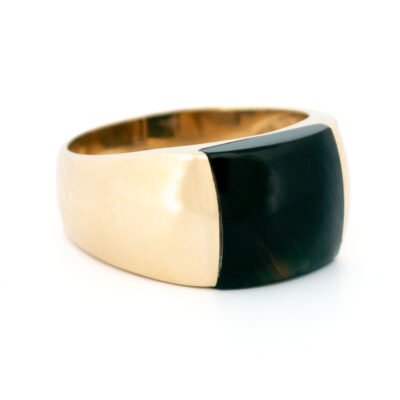
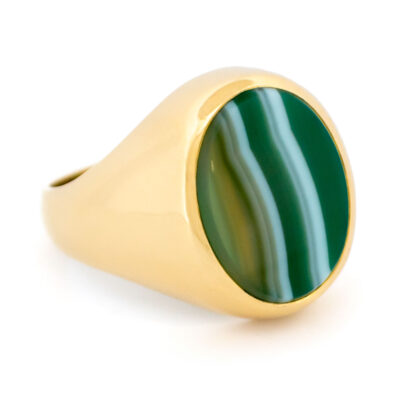
In modern jewelry, agate is prized for its versatility and natural beauty. Its durability, with a Mohs hardness of 6.5 to 7, makes it suitable for a wide range of jewelry pieces, from rings and necklaces to bracelets and earrings. Agate is often cut into cabochons or beads to showcase its intricate patterns and is commonly used in both contemporary and vintage-inspired designs.
Agate is more than just a gemstone; it is a symbol of grounding and stability, offering a connection to the earth and a sense of balance. Its natural beauty and variety of colors make it a versatile and meaningful choice for jewelry that is both aesthetically pleasing and deeply symbolic.
14k: The Durable Choice for Everyday Elegance
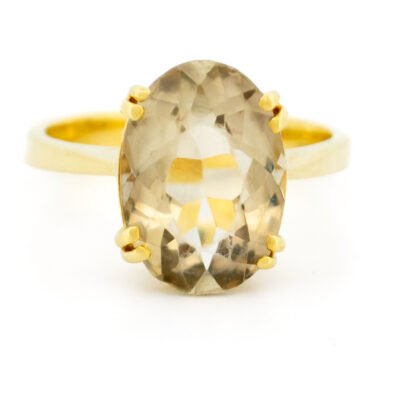
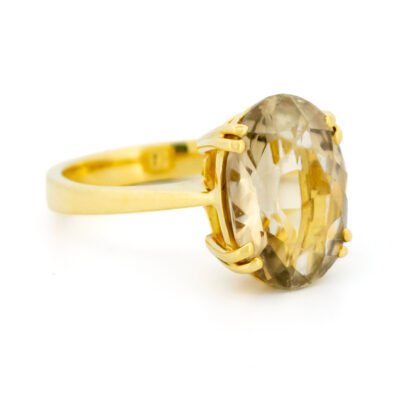
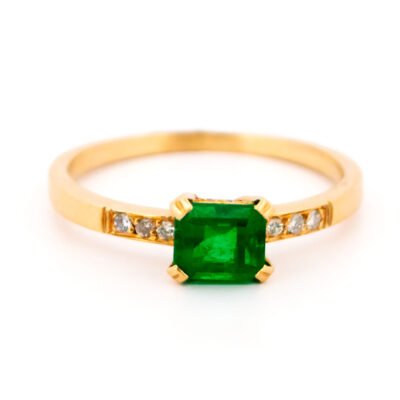
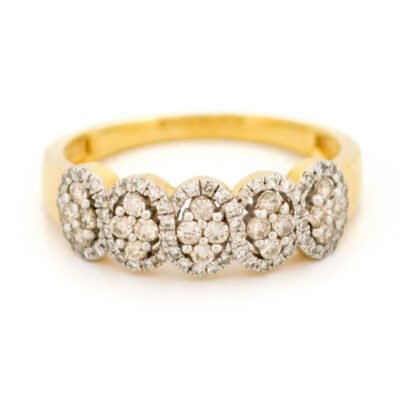
14k gold is a popular and practical choice in fine jewelry, known for its durability, affordability, and beautiful color. The "14k" signifies that the gold is composed of 58.3% pure gold and 41.7% alloyed metals, such as copper, silver, nickel, or zinc. This combination results in a strong and resilient material that can withstand the rigors of daily wear, making it an ideal option for those seeking both beauty and durability.
Historically, gold has always been a symbol of wealth and luxury, and 14k gold strikes a perfect balance between the rich appearance of gold and the strength needed for everyday use. Because of its lower gold content compared to 18k or 24k gold, 14k gold is more affordable, making it a popular choice for a wide range of jewelry pieces.
In modern jewelry, 14k gold is appreciated for its versatility and variety. It is available in several colors, each achieved by mixing gold with different metals:
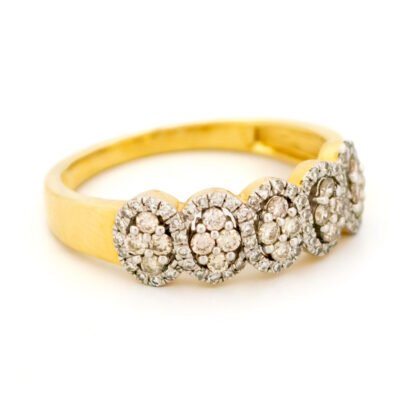
Yellow Gold: A classic and timeless choice, 14k yellow gold has a warm, golden hue that complements most skin tones and is well-suited for both modern and traditional designs.
White Gold: Created by alloying gold with white metals like nickel or palladium, 14k white gold has a sleek, silver-like appearance. It is often rhodium-plated for added shine and is a popular choice for engagement rings and other contemporary jewelry.
Rose Gold: Achieved by mixing gold with copper, 14k rose gold has a soft, pinkish hue that has gained popularity for its romantic and vintage appeal. It is a favorite for those seeking a unique and stylish alternative to traditional gold colors.
14k gold is commonly used in a wide array of jewelry, including rings, necklaces, bracelets, earrings, and watches. Its durability makes it especially suitable for pieces that are worn daily, such as wedding bands and engagement rings, where the balance between strength and beauty is crucial.
14k gold is more than just a practical choice; it is a symbol of enduring style and everyday luxury. Its ability to retain the look of gold while offering greater resistance to scratches and dents makes 14k gold a versatile and timeless option for any jewelry collection. Whether in a simple band or an elaborate design, 14k gold offers a perfect blend of elegance and durability that can be enjoyed for years to come.
|