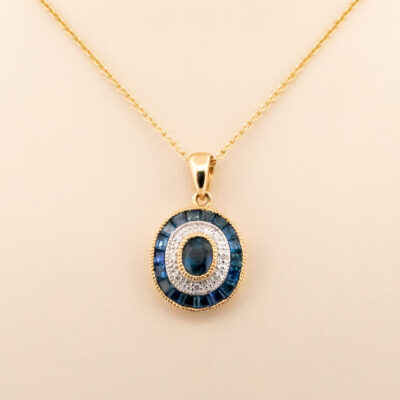
🐆 A striking vintage “Hanging Panther” pendant crafted in luxurious 18k yellow gold. The sleek feline silhouette appears suspended in motion, accented with approximately 0.22ct single-cut diamonds and 0.20ct of vibrant emeralds, rubies, and sapphires. Polished surfaces and graceful openwork details create a captivating play of light, making this piece a distinctive addition to any jewelry collection.

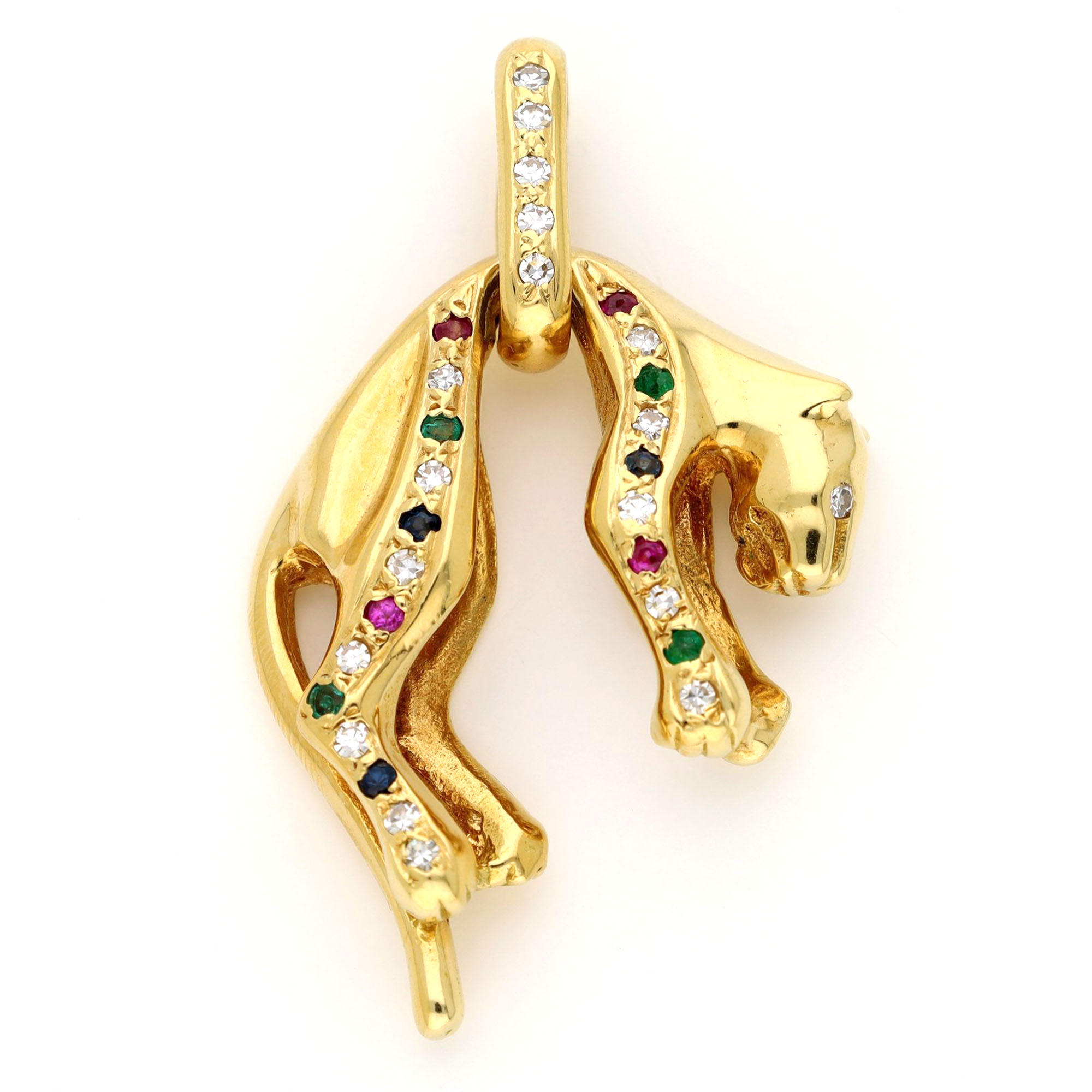
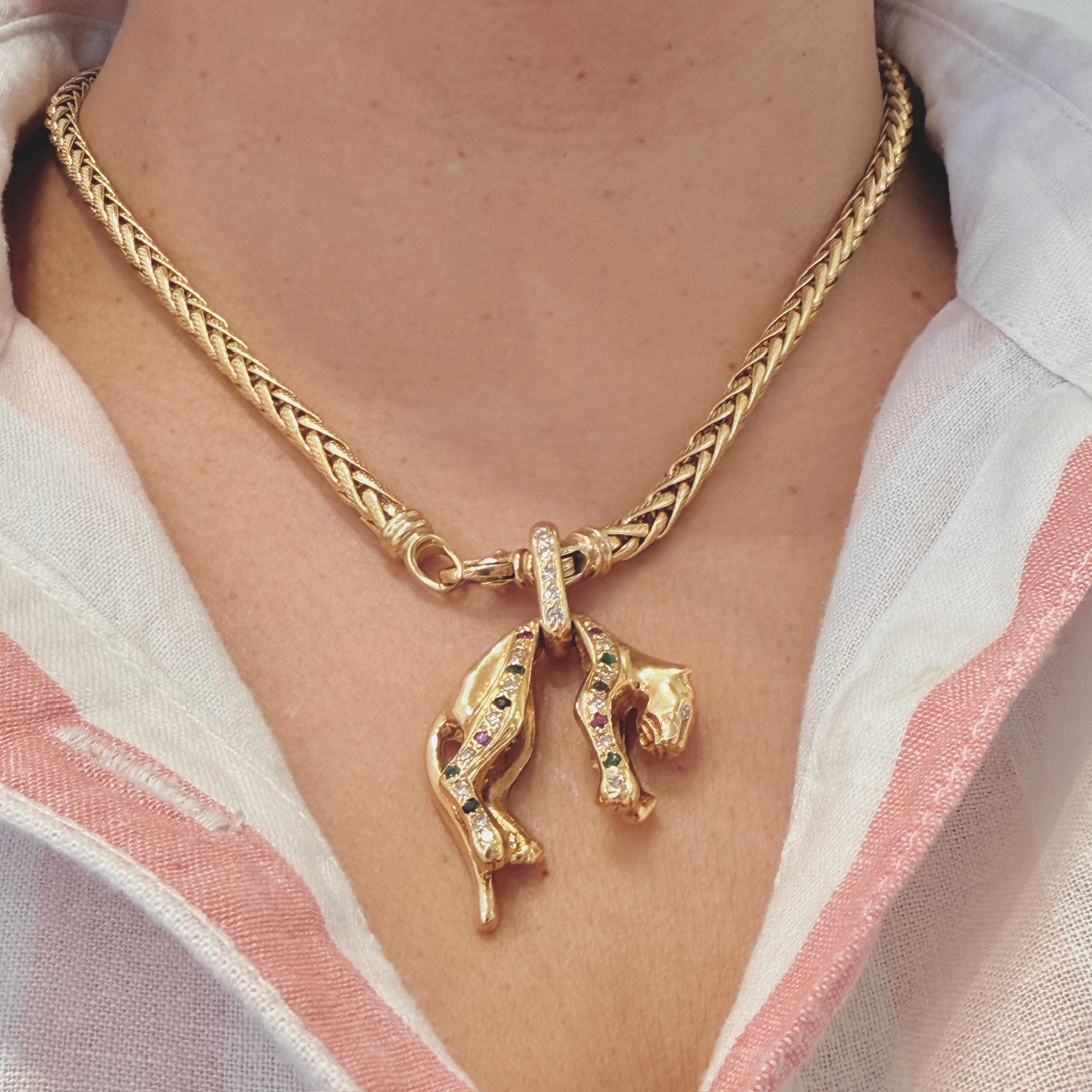
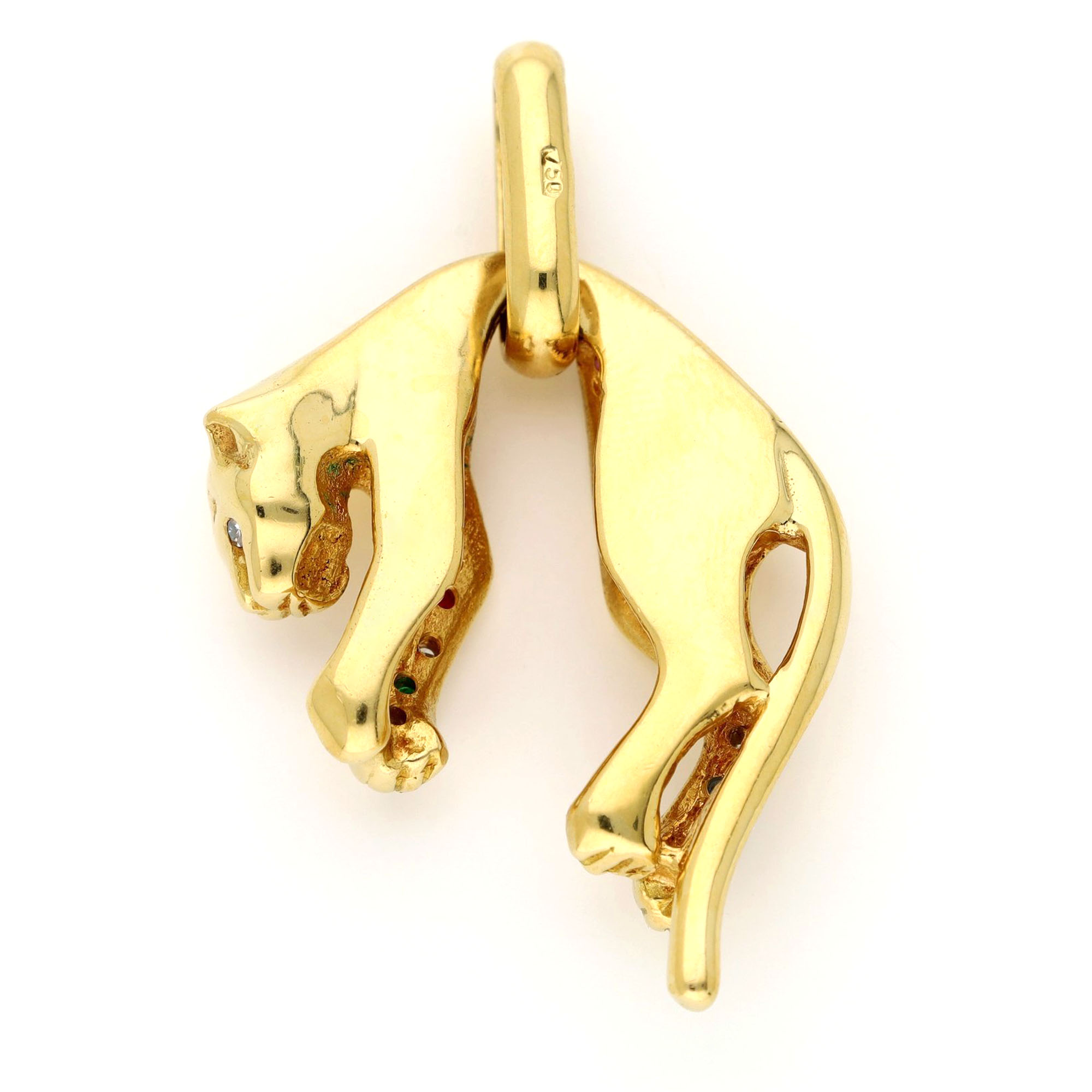
Diamond Emerald Ruby Sapphire 18k “Hanging Panther” Pendant 19093-9689
€ 6.495,00 VAT incl. (where applicable)
In stock
🐆 A striking vintage “Hanging Panther” pendant crafted in luxurious 18k yellow gold. The sleek feline silhouette appears suspended in motion, accented with approximately 0.22ct single-cut diamonds and 0.20ct of vibrant emeralds, rubies, and sapphires. Polished surfaces and graceful openwork details create a captivating play of light, making this piece a distinctive addition to any jewelry collection.
Details: ±0.22ct Single-cut diamonds, ±0.20ct mixed Emeralds, Rubies, Sapphires, 18k Pendant
Weight in grams: 20.
Condition: Excellent condition – barely used with minimal signs of wear.
| Design Era | |
|---|---|
| Design & Historical Context | Vintage jewelry refers to jewelry that was produced a certain number of years ago, typically at least 20 years or more. It is often characterized by its unique style, craftsmanship, and use of materials that are no longer in production or are hard to find. Vintage jewelry can be made from a wide variety of materials, including gold, silver, platinum, and diamonds, as well as less precious materials such as costume jewelry or Bakelite. It can be influenced by a variety of styles and movements, including Art Deco, Art Nouveau, and Retro. One of the key features of vintage jewelry is its uniqueness and individuality. Unlike modern jewelry, which is often mass-produced, vintage jewelry is often one-of-a-kind or part of a limited production run. This makes it highly collectible and sought after by collectors and vintage enthusiasts. Vintage jewelry is often associated with a sense of history and nostalgia, and it can be a way to connect with the past and appreciate the craftsmanship and artistry of earlier periods. It is highly collectible and can be found at vintage stores, antique shops, and online marketplaces. |
| Key Materials | |
| Materials & Craftsmanship | Single-cut diamond: The Classic Sparkle of Timeless Elegance Single-cut diamonds are a classic and elegant choice in the world of fine jewelry, known for their understated yet captivating sparkle. Unlike modern brilliant-cut diamonds, which typically have 58 facets, single-cut diamonds have fewer facets—usually 17 or 18—resulting in a simpler, more traditional appearance. Historically, single-cut diamonds were among the earliest diamond cuts used in jewelry, dating back to the 14th century. This cut was popular in vintage and antique jewelry, especially during the Victorian and Edwardian eras. The fewer facets of a single-cut diamond create a subtle, soft brilliance, which adds a touch of old-world charm and sophistication to any piece. In modern jewelry, single-cut diamonds are often used as accent stones in pavé settings, vintage-inspired designs, and delicate pieces where a more refined sparkle is desired. Their simplicity makes them an excellent choice for adding a touch of elegance without overwhelming the overall design. Single-cut diamonds are more than just a gemstone choice; they are a nod to timeless beauty and classic craftsmanship. Their subtle sparkle and historical significance make them a perfect option for those who appreciate the charm of vintage and antique-inspired jewelry. Emerald: The Jewel of Renewal and Prosperity Emerald, with its vibrant green hue, is one of the most prized gemstones in the world, belonging to the beryl family. Its captivating color, ranging from deep forest green to bright spring green, is due to the presence of chromium and vanadium during its formation. Emeralds have been cherished throughout history, from ancient Egyptian pharaohs who believed the stone symbolized eternal youth, to Incan and Aztec civilizations that revered it as a holy stone. In the Renaissance period, emeralds were thought to possess the power to predict the future and reveal truth. In modern jewelry, emeralds are admired for their rich color and elegance. Although they are slightly softer than other precious stones, with a Mohs hardness of 7.5 to 8, their beauty and rarity make them a popular choice for rings, necklaces, and earrings. Emeralds often feature characteristic inclusions, known as "jardin," which add to their uniqueness and charm. Emeralds symbolize renewal, growth, and prosperity, making them a timeless and meaningful choice for jewelry that exudes sophistication and natural beauty. Ruby: The Gem of Passion and Nobility Ruby, with its fiery red color, is one of the most coveted gemstones in the world, symbolizing passion, power, and nobility. This precious gem belongs to the corundum family, with its striking red hue derived from trace amounts of chromium. Rubies can range in color from deep crimson to vibrant red, often referred to as "pigeon’s blood," the most prized shade. Throughout history, rubies have been revered as symbols of wealth and power. In ancient India, they were called the "king of gemstones" and were believed to protect warriors in battle. In medieval Europe, rubies were thought to bring good fortune, enhance love, and maintain health. Royals and aristocrats adorned themselves with rubies to signify their status and strength. In modern jewelry, rubies are celebrated for their durability and brilliance, with a Mohs hardness of 9, second only to diamonds. This makes them ideal for rings, necklaces, earrings, and other pieces designed for everyday wear. Rubies are often set in gold or platinum, where their vibrant color is showcased to its full potential, adding a touch of luxury and elegance to any design. Ruby is more than just a gemstone; it is a symbol of intense emotion, passion, and enduring strength. Its rich color and historical significance make it a timeless and powerful choice for jewelry that speaks of love, courage, and grandeur. Sapphire: The Gem of Wisdom and Royalty Sapphire, known for its stunning deep blue color, is a gemstone that embodies wisdom, loyalty, and nobility. This precious stone is a variety of the mineral corundum, and while blue is the most famous color, sapphires can also be found in a range of hues, including pink, yellow, green, and even colorless. Historically, sapphire has been revered across cultures for its association with the divine and the eternal. In ancient Persia, it was believed that the sky was painted blue by the reflection of sapphire stones. Throughout the ages, sapphire has been favored by royalty and clergy as a symbol of purity, virtue, and divine favor. Perhaps the most famous modern example is the sapphire engagement ring worn by Princess Diana and now by the Duchess of Cambridge. In jewelry, sapphire is celebrated for its beauty and durability, boasting a Mohs hardness of 9, second only to diamond. This makes sapphire an excellent choice for rings, necklaces, and earrings intended for everyday wear. The stone’s intense color and clarity are often highlighted by settings in white gold or platinum, though yellow gold can also enhance its warmth and depth. Sapphire is more than just a gemstone; it is a symbol of wisdom, fidelity, and nobility. Its rich history, combined with its remarkable durability and beauty, makes it a timeless and elegant choice for jewelry that signifies enduring love and commitment. 18k: The Perfect Balance of Luxury and Durability 18k gold is a luxurious and highly sought-after material in the world of fine jewelry, known for its rich color, durability, and value. The "18k" refers to the purity of the gold, indicating that it is composed of 75% pure gold and 25% alloyed metals, such as copper, silver, or palladium. This combination provides the perfect balance between the softness of pure gold and the strength needed for creating durable jewelry. Historically, gold has been prized for its beauty and rarity, symbolizing wealth, power, and status across various cultures and civilizations. 18k gold has been a preferred choice in fine jewelry for centuries due to its ideal blend of purity and strength, offering a radiant gold color that is more vibrant than lower karat golds while still being hard enough for everyday wear. In modern jewelry, 18k gold is favored for its versatility and its ability to enhance the appearance of gemstones. It is available in several colors, including yellow, white, and rose gold, depending on the metals used in the alloy. Each color has its unique appeal: Yellow Gold: The classic choice, offering a warm, rich hue that pairs beautifully with a wide range of gemstones and complements all skin tones. White Gold: A sleek, modern option that resembles platinum or silver but with the strength and luxury of gold. It is often rhodium-plated to enhance its reflective surface. Rose Gold: A romantic, pinkish hue that has gained popularity for its vintage charm and contemporary appeal, achieved by alloying gold with copper. 18k gold is commonly used in engagement rings, wedding bands, earrings, necklaces, and bracelets, where its balance of durability and beauty makes it ideal for both intricate designs and simple, elegant pieces. The alloy's added strength ensures that jewelry can withstand daily wear while maintaining its luster and shape. 18k gold is more than just a material; it is a symbol of refined taste and enduring value. Its perfect blend of luxury and practicality makes 18k gold a timeless choice for those who seek the beauty of high-purity gold without sacrificing durability. Whether in classic or modern designs, 18k gold jewelry offers a radiant and lasting expression of elegance and sophistication. |
| Weight (in grams) | 20 |
| Condition | Excellent condition – barely used with minimal signs of wear |
Enhance the Beauty of Your Jewelry with Proper Care
Wearing your jewelry is a special way to express yourself and add a touch of personal style to any look. However, to ensure your jewelry remains in pristine condition, there are a few simple steps you need to take to keep it looking its best.
General Care Instructions:
Remove jewelry when showering or bathing, especially when at the beach, in the sea or in chlorinated water.
Avoid wearing jewelry while doing physical work such as housekeeping, gardening or exercise.
Storing your jewelry in a dry and cool place will help protect it from moisture, dirt and dust.
Keeping it away from harsh chemicals such as bleach, ammonia and chlorine will help to avoid discoloration and damage.
Cleaning your jewelry regularly with a soft cloth will help to keep it looking shiny and new.
Avoid exposing your jewelry to extreme temperatures, such as leaving it in direct sunlight or near a heater, as this can cause damage.
Handle your jewelry carefully and avoid dropping it, as this can cause the stones to loosen or the metals to scratch.
Finally, if possible, have your jewelry professionally checked and serviced. This will ensure that any potential problems are spotted and fixed before they become worse.
By following these tips, you can enjoy your precious jewelry for many years to come.
Related Products
-
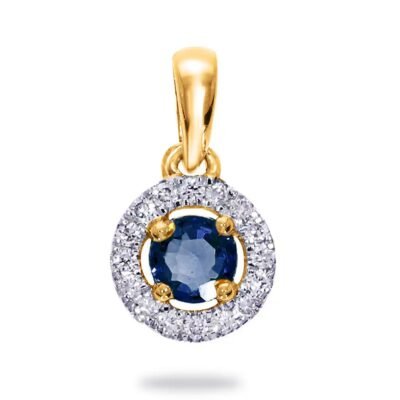
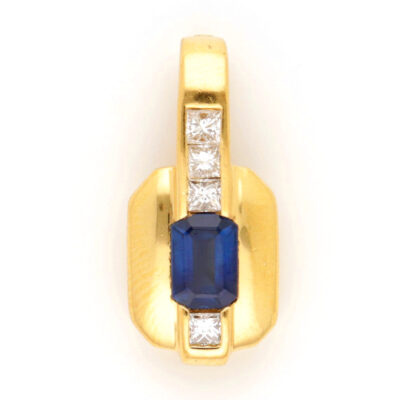
Diamond Sapphire 18k Halo Pendant 15739-8616
€ 2.995,00 VAT incl. (where applicable) -
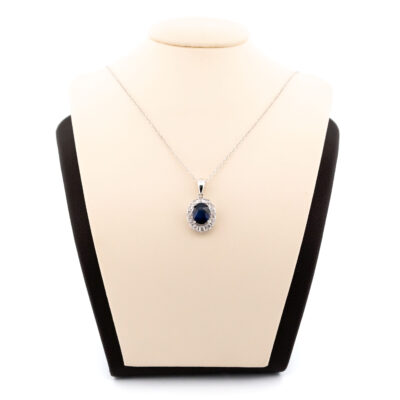
Diamond Sapphire 14k Halo Pendant 18621-9599
€ 335,00 VAT incl. (where applicable) -
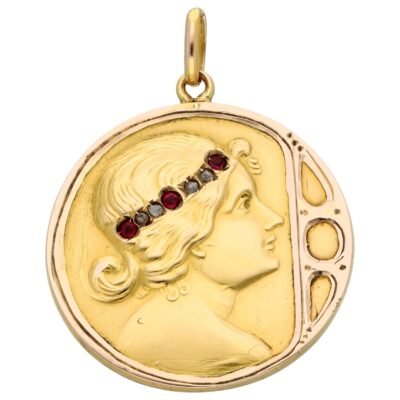
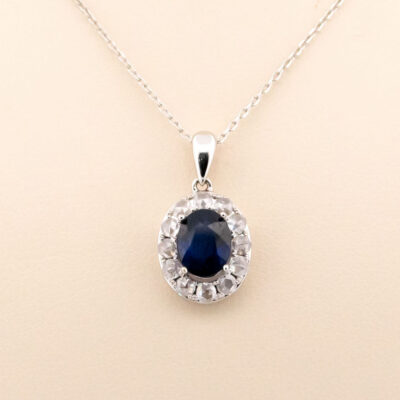
Diamond Ruby 18k Cameo Pendant 18570-9568
€ 1.495,00 VAT incl. (where applicable) -
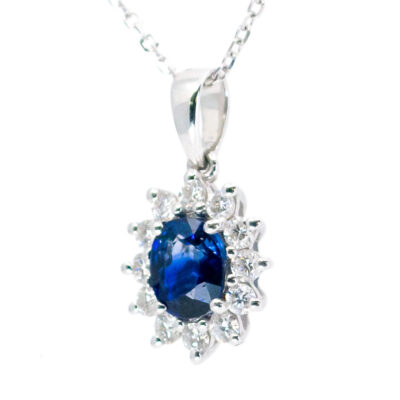
Diamond Sapphire 14k Cluster Pendant 18086-9443
€ 1.795,00 VAT incl. (where applicable) -
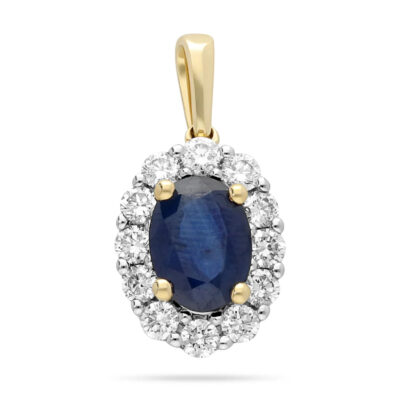
Diamond Sapphire 18k Pendant 17891-9326
€ 1.695,00 VAT incl. (where applicable) -
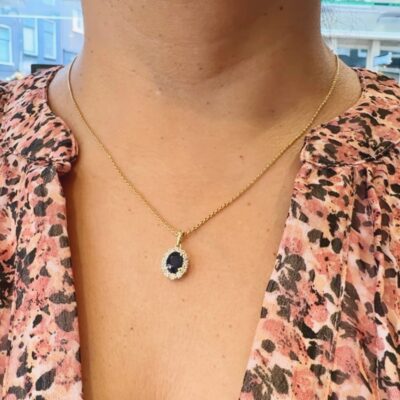
Diamond Sapphire 18k Cluster Pendant 14315-8301
€ 1.895,00 VAT incl. (where applicable) -
Diamond Sapphire 18k Cluster Pendant 17032-9079
€ 1.895,00 VAT incl. (where applicable) -
Diamond Sapphire 14k Deco Pendant 13791-0259a
€ 1.995,00 VAT incl. (where applicable)






Manage Consent
Functional
Always active
The technical storage or access is strictly necessary for the legitimate purpose of enabling the use of a specific service explicitly requested by the subscriber or user, or for the sole purpose of carrying out the transmission of a communication over an electronic communications network.
Preferences
The technical storage or access is necessary for the legitimate purpose of storing preferences that are not requested by the subscriber or user.
Statistics
The technical storage or access that is used exclusively for statistical purposes.
The technical storage or access that is used exclusively for anonymous statistical purposes. Without a subpoena, voluntary compliance on the part of your Internet Service Provider, or additional records from a third party, information stored or retrieved for this purpose alone cannot usually be used to identify you.
Marketing
The technical storage or access is required to create user profiles to send advertising, or to track the user on a website or across several websites for similar marketing purposes.
Updating…
Log in
×