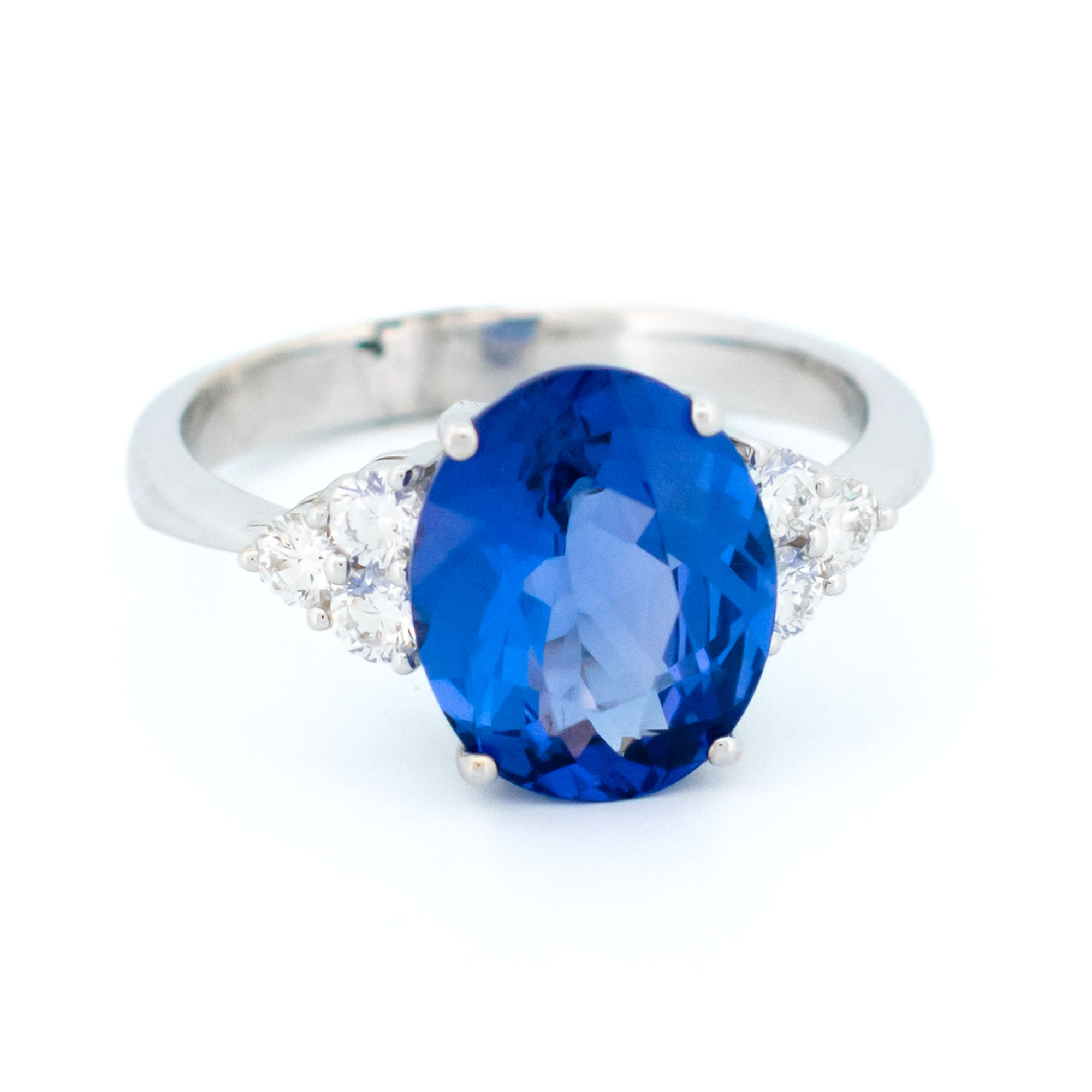
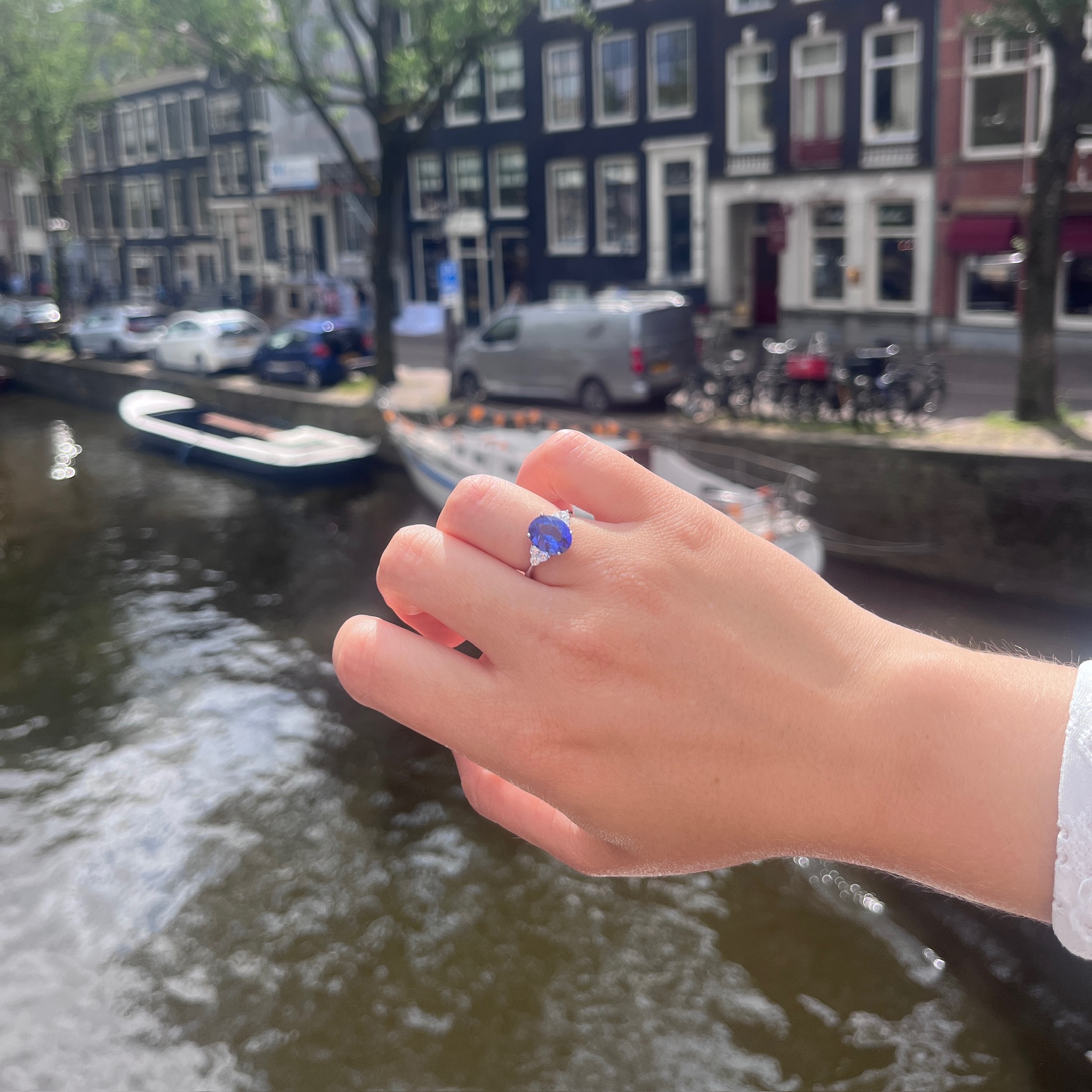
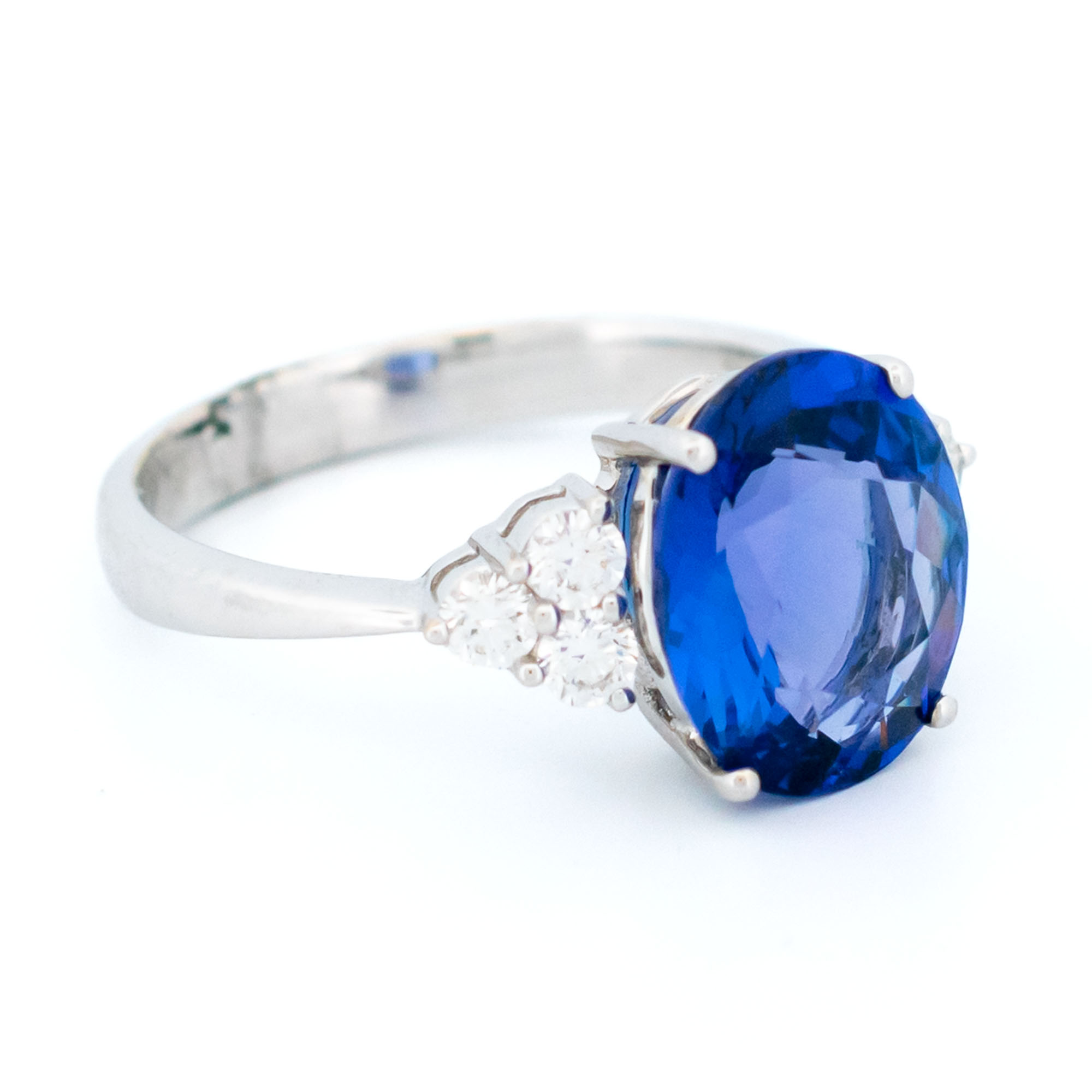
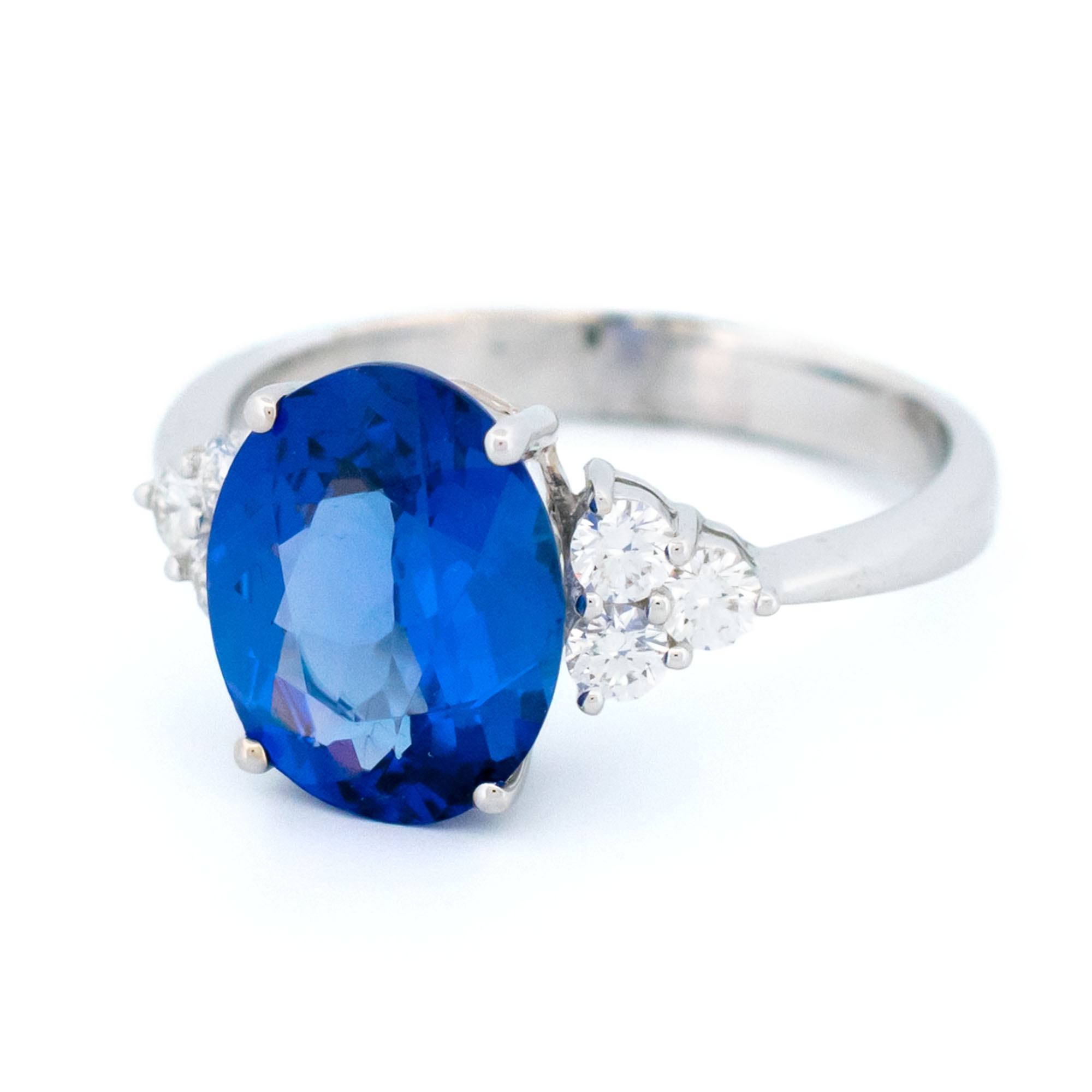
✨ Rich colour meets refined craftsmanship in this elegant 18k white gold ring. At its heart sits an impressive approximately 2.97ct natural tanzanite, displaying captivating shades of deep blue with flashes of violet. Brilliant-cut diamond accents totaling approximately 0.30ct (G/SI1) add a delicate sparkle, creating a timeless yet contemporary silhouette. Includes certificate. with cert.

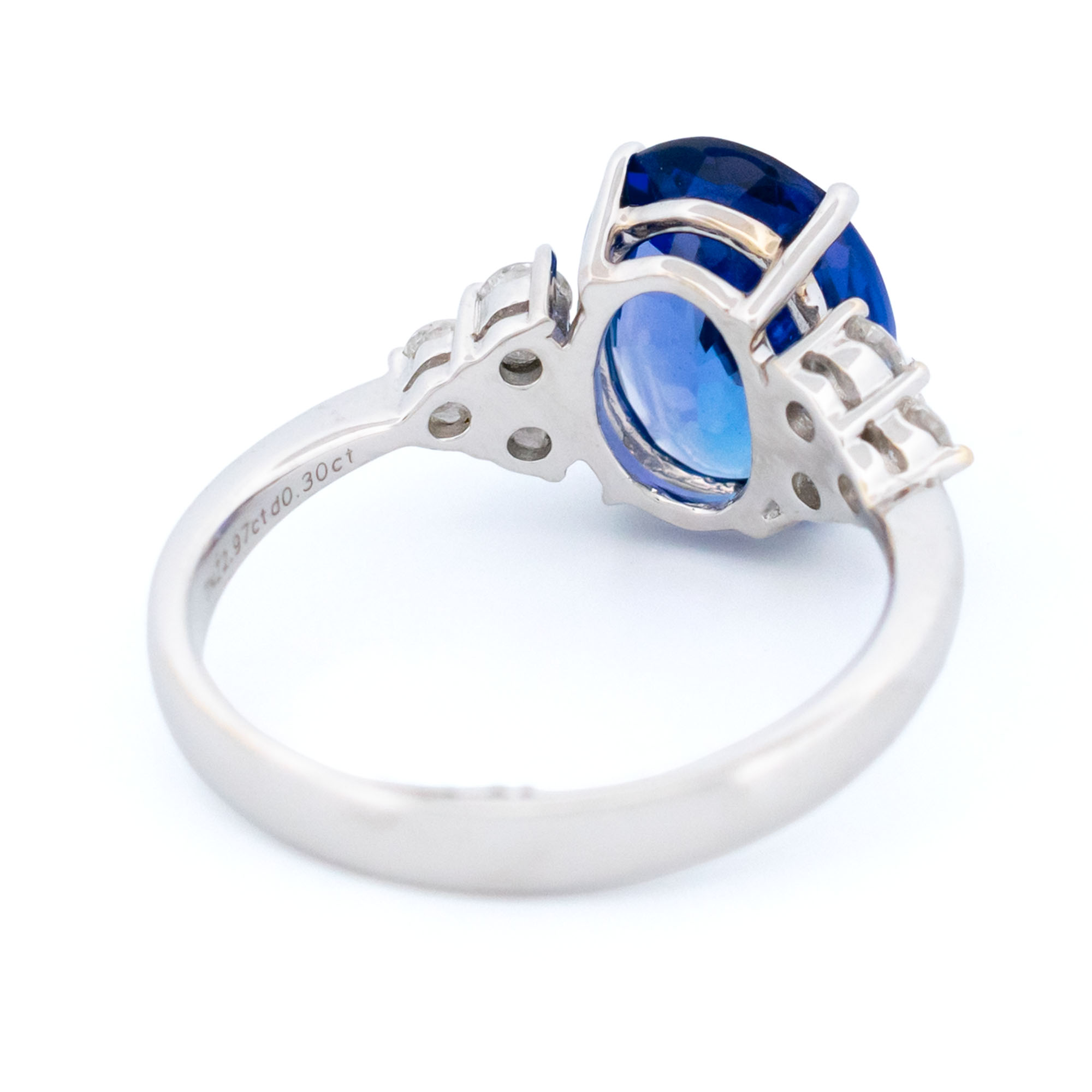
Diamond Tanzanite 18k Ring 19121-9709
€ 4.395,00 VAT incl. (where applicable)
In stock
Videos
✨ Rich colour meets refined craftsmanship in this elegant 18k white gold ring. At its heart sits an impressive approximately 2.97ct natural tanzanite, displaying captivating shades of deep blue with flashes of violet. Brilliant-cut diamond accents totaling approximately 0.30ct (G/SI1) add a delicate sparkle, creating a timeless yet contemporary silhouette. Includes certificate. with cert.
Details: ±2.97ct natural Tanzanite, ±0.30ct (G SI1) Brilliant-cut diamonds, 18k Ring, with cert.
Size: 17.0 NL / 53.0 FR / 6½ US / M½ UK, sizeable (within reason).
Weight in grams: 3.5.
Condition: As new – unused.
| Design Era | |
|---|---|
| Design & Historical Context | Contemporary jewellery is a type of jewellery that reflects current trends and styles, and is often made from a variety of materials beyond the traditional precious metals and stones. This allows contemporary jewellery to have a more modern and unique appearance compared to classic jewellery. To create contemporary jewellery, it is necessary to have both specialized training and a deep understanding of the subject. The contemporary style combines historical techniques and artistic expression with innovative ideas and materials, giving it a distinct personality that falls between fashionable mass-produced jewellery and traditional artisanal works of art. |
| Key Materials | |
| Materials & Craftsmanship | Tanzanite: The Gem of Transformation and Rarity Tanzanite, known for its mesmerizing violet-blue color, is a gemstone that symbolizes transformation, uniqueness, and the extraordinary. This rare gem is a variety of the mineral zoisite and is found only in a small area near Mount Kilimanjaro in Tanzania, making it one of the most exclusive gemstones in the world. Discovered in the late 1960s, tanzanite quickly became highly sought after for its stunning color, which can range from deep blue to vibrant violet depending on the angle of light and the stone’s cut. This trichroic nature—showing different colors when viewed from different angles—adds to tanzanite’s allure and makes it a favorite among gem enthusiasts and collectors. In modern jewelry, tanzanite is prized for its rarity and striking beauty. With a Mohs hardness of 6 to 7, it is best suited for jewelry pieces that are worn with care, such as pendants, earrings, and special occasion rings. Tanzanite is often paired with diamonds or white gold to highlight its vivid color, creating pieces that exude luxury and sophistication. Tanzanite is more than just a gemstone; it is a symbol of transformation, rarity, and the beauty of the natural world. Its unique color and limited availability make it a precious choice for jewelry that stands out with elegance and distinction. Brilliant-cut diamond: The Pinnacle of Sparkle and Brilliance The brilliant-cut diamond is the most popular and widely recognized diamond cut in the world, renowned for its exceptional sparkle and fire. This cut, perfected over centuries, is designed to maximize the reflection of light, creating the dazzling brilliance that has made it the standard for diamonds in modern jewelry. The brilliant cut features 58 facets—33 on the crown and 25 on the pavilion—carefully arranged to capture and reflect light from every angle. The precision of these facets ensures that light entering the diamond is reflected internally and dispersed into a stunning array of colors, giving the stone its characteristic brilliance. Historically, the brilliant cut evolved from earlier cuts like the Old European and rose cuts, with advancements in diamond cutting technology and understanding of light reflection. This modern cut became widely adopted in the early 20th century and quickly became the preferred choice for engagement rings and other fine jewelry, due to its unmatched sparkle. In modern jewelry, brilliant-cut diamonds are prized for their versatility and unmatched brilliance. They are the go-to choice for engagement rings, earrings, pendants, and virtually any jewelry piece where a classic, sparkling diamond is desired. The round shape and symmetrical design make the brilliant cut ideal for showcasing the inherent beauty of the diamond, regardless of its size. A brilliant-cut diamond is more than just a gemstone; it is a symbol of timeless beauty and perfection. Its unparalleled sparkle and universal appeal make it the quintessential choice for jewelry that celebrates life's most precious moments. 18k: The Perfect Balance of Luxury and Durability 18k gold is a luxurious and highly sought-after material in the world of fine jewelry, known for its rich color, durability, and value. The "18k" refers to the purity of the gold, indicating that it is composed of 75% pure gold and 25% alloyed metals, such as copper, silver, or palladium. This combination provides the perfect balance between the softness of pure gold and the strength needed for creating durable jewelry. Historically, gold has been prized for its beauty and rarity, symbolizing wealth, power, and status across various cultures and civilizations. 18k gold has been a preferred choice in fine jewelry for centuries due to its ideal blend of purity and strength, offering a radiant gold color that is more vibrant than lower karat golds while still being hard enough for everyday wear. In modern jewelry, 18k gold is favored for its versatility and its ability to enhance the appearance of gemstones. It is available in several colors, including yellow, white, and rose gold, depending on the metals used in the alloy. Each color has its unique appeal: Yellow Gold: The classic choice, offering a warm, rich hue that pairs beautifully with a wide range of gemstones and complements all skin tones. White Gold: A sleek, modern option that resembles platinum or silver but with the strength and luxury of gold. It is often rhodium-plated to enhance its reflective surface. Rose Gold: A romantic, pinkish hue that has gained popularity for its vintage charm and contemporary appeal, achieved by alloying gold with copper. 18k gold is commonly used in engagement rings, wedding bands, earrings, necklaces, and bracelets, where its balance of durability and beauty makes it ideal for both intricate designs and simple, elegant pieces. The alloy's added strength ensures that jewelry can withstand daily wear while maintaining its luster and shape. 18k gold is more than just a material; it is a symbol of refined taste and enduring value. Its perfect blend of luxury and practicality makes 18k gold a timeless choice for those who seek the beauty of high-purity gold without sacrificing durability. Whether in classic or modern designs, 18k gold jewelry offers a radiant and lasting expression of elegance and sophistication. |
| Size | |
| Weight (in grams) | 3.5 |
| Condition |
Enhance the Beauty of Your Jewelry with Proper Care
Wearing your jewelry is a special way to express yourself and add a touch of personal style to any look. However, to ensure your jewelry remains in pristine condition, there are a few simple steps you need to take to keep it looking its best.
General Care Instructions:
Remove jewelry when showering or bathing, especially when at the beach, in the sea or in chlorinated water.
Avoid wearing jewelry while doing physical work such as housekeeping, gardening or exercise.
Storing your jewelry in a dry and cool place will help protect it from moisture, dirt and dust.
Keeping it away from harsh chemicals such as bleach, ammonia and chlorine will help to avoid discoloration and damage.
Cleaning your jewelry regularly with a soft cloth will help to keep it looking shiny and new.
Avoid exposing your jewelry to extreme temperatures, such as leaving it in direct sunlight or near a heater, as this can cause damage.
Handle your jewelry carefully and avoid dropping it, as this can cause the stones to loosen or the metals to scratch.
Finally, if possible, have your jewelry professionally checked and serviced. This will ensure that any potential problems are spotted and fixed before they become worse.
By following these tips, you can enjoy your precious jewelry for many years to come.
Related Products
-
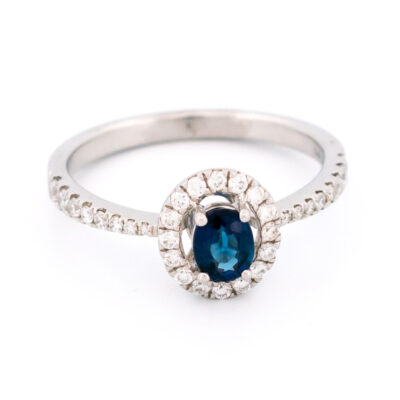
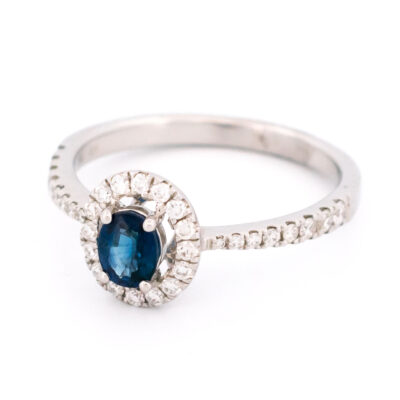
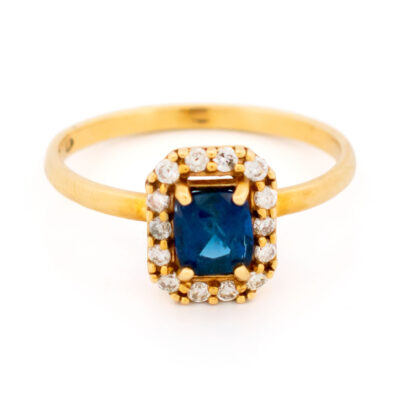
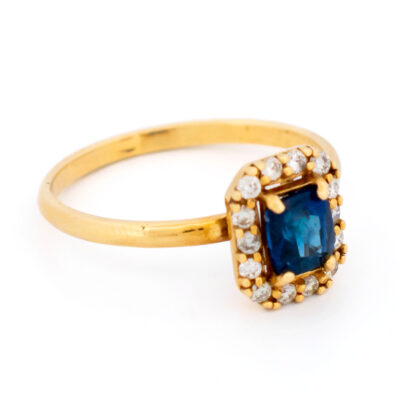
Diamond Sapphire 18k Cluster Ring 16731-8966
€ 1.995,00 VAT incl. (where applicable) -
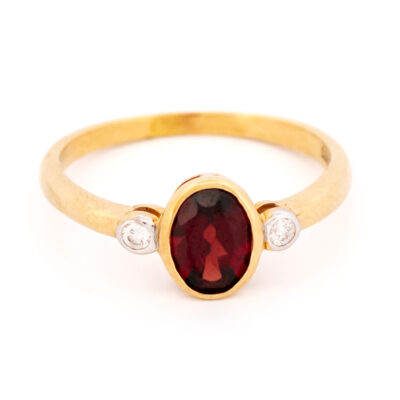
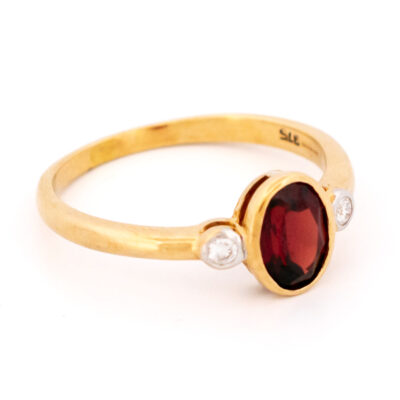
Diamond Garnet 9k Trilogy Ring 18114-9458
€ 1.295,00 VAT incl. (where applicable) -
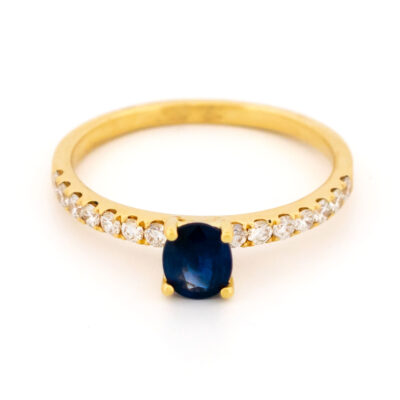
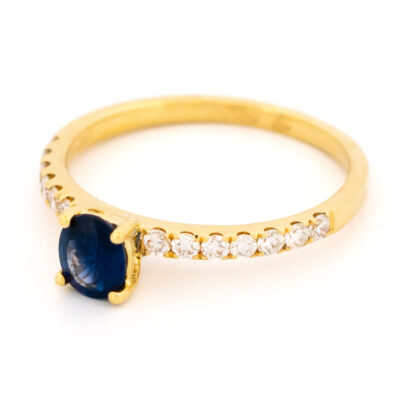
Diamond Sapphire 18k Ring 19122-9710
€ 1.895,00 VAT incl. (where applicable) -
Diamond Sapphire 14k Cluster Ring 14973-8446
€ 1.695,00 VAT incl. (where applicable) -
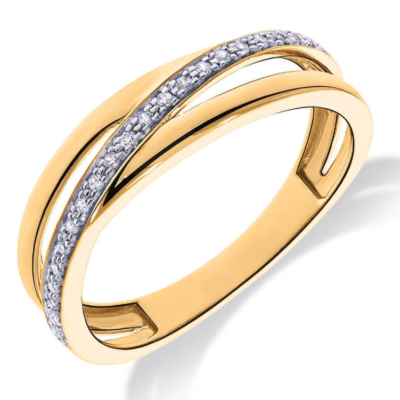
Diamond 14k Crossover Ring 18089-9445
€ 1.195,00 VAT incl. (where applicable) -
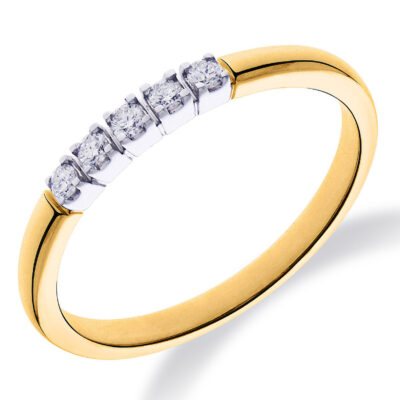
Diamond 14k Row Ring 19049-9680
€ 965,00 VAT incl. (where applicable) -
Diamond 14k Trilogy Ring 19050-9681
€ 995,00 VAT incl. (where applicable) -
Diamond Sapphire 14k Cluster Ring 18019-9395
€ 2.695,00 VAT incl. (where applicable)
Updating…
Log in
×