This charming modern clown miniature is beautifully crafted in solid 925 silver and finished with vibrant hand-applied enamel. The playful colors and sculpted details bring personality and warmth to the piece, while the polished silver adds refined contrast ✨ Made by Saturno, Italy, it’s a delightful collectible with artistic character. Saturno, Italy.


Enamel 925′ Silver Clown Miniature 18456-3261
€ 295,00 VAT incl. (where applicable)
In stock
This charming modern clown miniature is beautifully crafted in solid 925 silver and finished with vibrant hand-applied enamel. The playful colors and sculpted details bring personality and warmth to the piece, while the polished silver adds refined contrast ✨ Made by Saturno, Italy, it’s a delightful collectible with artistic character. Saturno, Italy.
Details: Enamel, 925′ Silver Miniature, Saturno, Italy, not sizeable.
Weight in grams: 23.
Condition: New.
| Design Era | |
|---|---|
| Design & Historical Context | Contemporary jewellery is a type of jewellery that reflects current trends and styles, and is often made from a variety of materials beyond the traditional precious metals and stones. This allows contemporary jewellery to have a more modern and unique appearance compared to classic jewellery. To create contemporary jewellery, it is necessary to have both specialized training and a deep understanding of the subject. The contemporary style combines historical techniques and artistic expression with innovative ideas and materials, giving it a distinct personality that falls between fashionable mass-produced jewellery and traditional artisanal works of art. |
| Key Materials | |
| Materials & Craftsmanship | 925' Silver: The Metal of Elegance and Versatility Silver, known for its bright, reflective luster, is one of the most beloved and widely used precious metals in the world. This versatile metal has been cherished for thousands of years, not only for its beauty but also for its malleability, making it ideal for crafting intricate and delicate jewelry designs. Historically, silver has been associated with the moon and considered a symbol of purity, clarity, and protection. Ancient civilizations, from the Egyptians to the Greeks and Romans, valued silver for its beauty and used it to create coins, jewelry, and religious artifacts. In many cultures, silver is also believed to have healing properties, often used in amulets and talismans to ward off negative energy. In modern jewelry, silver is prized for its affordability, versatility, and timeless appeal. Sterling silver, an alloy of 92.5% pure silver and 7.5% other metals (usually copper), is the standard used in high-quality jewelry. Its durability and bright, reflective surface make it an excellent choice for a wide range of designs, from minimalist pieces to ornate creations. Silver can be polished to a high shine or given a matte, oxidized, or antiqued finish to suit various styles. Silver is more than just a metal; it is a symbol of elegance, flexibility, and understated luxury. Its enduring popularity and wide-ranging applications make it a staple in jewelry that can complement any look, from casual to formal, with timeless grace. Enamel: The Artful Fusion of Color and Craftsmanship Enamel is a decorative technique that has been used in jewelry for centuries, known for its ability to bring vibrant color and intricate designs to metal surfaces. Created by fusing powdered glass to metal at high temperatures, enamel can produce a wide range of colors, from bold and opaque to translucent and delicate. Historically, enamel has been used across various cultures, from ancient Egypt and China to Renaissance Europe, to create stunning works of art in jewelry, religious artifacts, and decorative objects. The intricate process of enameling, which requires skill and precision, has made it a prized technique among artisans. In contemporary jewelry, enamel is appreciated for its versatility and ability to enhance the beauty of metalwork. It can be used to add a pop of color to a piece, create detailed imagery, or produce a smooth, glossy finish that complements gemstones and precious metals. Enamel not only adds a burst of color and creativity to jewelry but also represents the craftsmanship and artistry behind each piece. Whether in modern or vintage designs, enamel brings a unique and timeless appeal to jewelry, making it a cherished choice for those who appreciate fine detail and vibrant hues. |
| Gender | |
| Weight (in grams) | 23 |
| Condition |
Enhance the Beauty of Your Jewelry with Proper Care
Wearing your jewelry is a special way to express yourself and add a touch of personal style to any look. However, to ensure your jewelry remains in pristine condition, there are a few simple steps you need to take to keep it looking its best.
General Care Instructions:
Remove jewelry when showering or bathing, especially when at the beach, in the sea or in chlorinated water.
Avoid wearing jewelry while doing physical work such as housekeeping, gardening or exercise.
Storing your jewelry in a dry and cool place will help protect it from moisture, dirt and dust.
Keeping it away from harsh chemicals such as bleach, ammonia and chlorine will help to avoid discoloration and damage.
Cleaning your jewelry regularly with a soft cloth will help to keep it looking shiny and new.
Avoid exposing your jewelry to extreme temperatures, such as leaving it in direct sunlight or near a heater, as this can cause damage.
Handle your jewelry carefully and avoid dropping it, as this can cause the stones to loosen or the metals to scratch.
Finally, if possible, have your jewelry professionally checked and serviced. This will ensure that any potential problems are spotted and fixed before they become worse.
By following these tips, you can enjoy your precious jewelry for many years to come.
Related Products
-
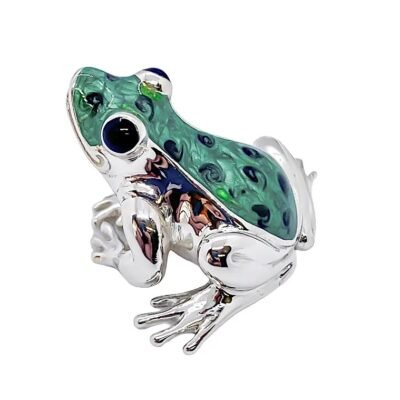
Enamel 925′ Silver Frog Miniature 18528-3270
€ 335,00 VAT incl. (where applicable) -
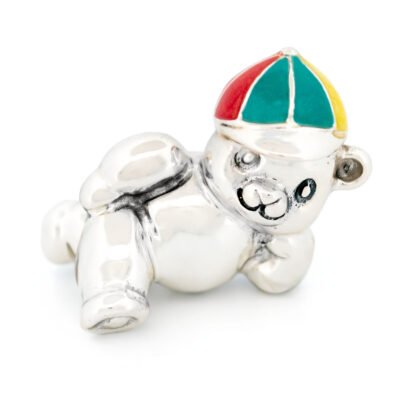
Enamel 925′ Silver Bear Miniature 18524-3266
€ 265,00 VAT incl. (where applicable) -
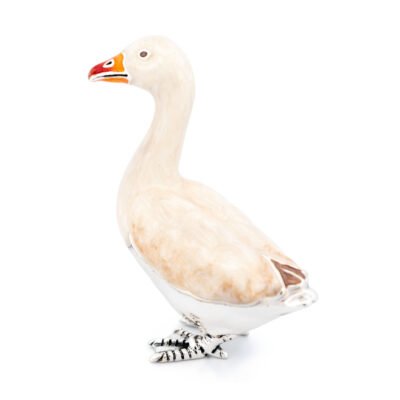
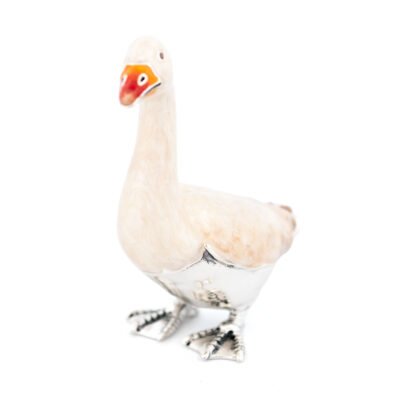
Enamel 925′ Silver Goose Miniature 18614-3283
€ 595,00 VAT incl. (where applicable) -
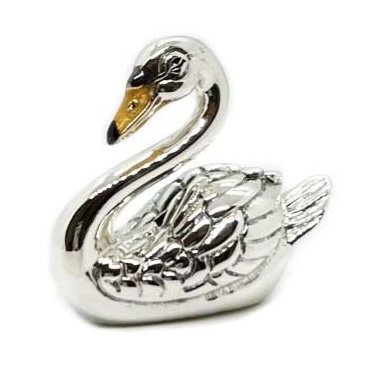
Enamel 925′ Silver Swan Figurine 18523-3265
€ 225,00 VAT incl. (where applicable) -
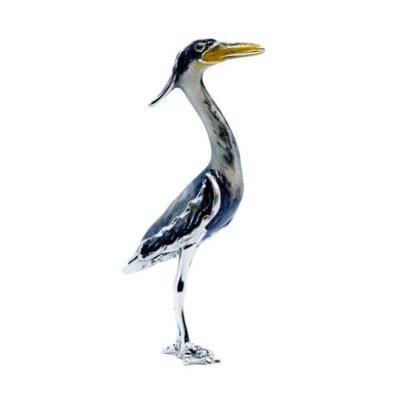
Enamel 925′ Silver Heron Figurine 18527-3269
€ 285,00 VAT incl. (where applicable) -
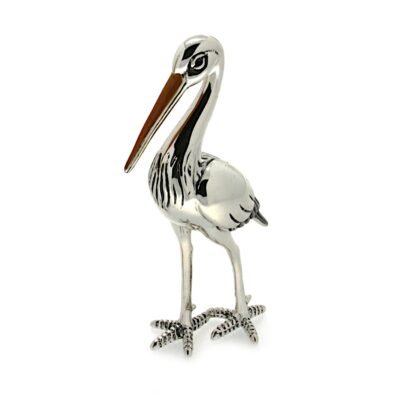
Enamel 925′ Silver Stork Figurine 18533-3275
€ 335,00 VAT incl. (where applicable) -
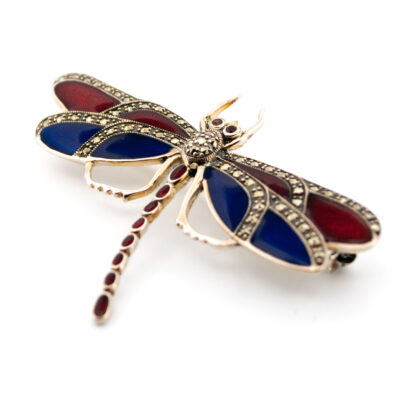
Enamel Marcasite (Pyrite) Ruby 925′ Silver “Dragonfly” Brooch 18260-3403
€ 245,00 VAT incl. (where applicable) -
Enamel Pearl Ruby 925′ Silver Butterfly Brooch 18266-3409
€ 265,00 VAT incl. (where applicable)


Updating…
Log in
×